Millgary: A Stylish Display Font for Modern Campaigns
It was a typical Tuesday morning, and I was finalizing the visuals for an upcoming seasonal sale campaign. The client wanted something bold, eye-catching, and on-brand. As I opened the design file, I reached for Millgary — a display font that had been sitting in my go-to folder for a while. Within minutes, the layout transformed. The text wasn’t just readable; it felt alive.
What Is Millgary?
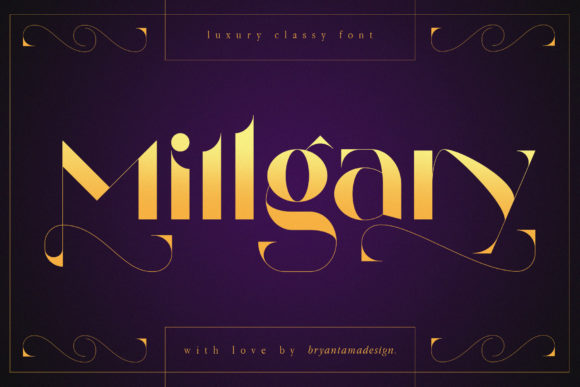
Millgary is a stylish display font with a modern yet elegant feel. It carries a sense of sophistication without being overly formal, making it ideal for a wide range of creative applications. The PUA encoding ensures that accessing glyphs and swashes is seamless, allowing designers to explore various stylistic variations with ease.
The visual style of Millgary blends clean lines with subtle flourishes, creating a balance between professionalism and creativity. Its personality leans toward being versatile, adaptable, and visually engaging. Whether you're crafting a brand identity or designing promotional materials, this font brings a touch of uniqueness to any project.
Testing Millgary in Real Campaigns
I used Millgary across several elements of the seasonal sale campaign. For the main banner, I applied it to the headline “End-of-Season Blowout” — the result was striking. The font’s boldness helped draw attention, while its elegance kept the message from feeling too loud.
On Instagram, I paired it with a minimalist sans serif for body text in a post promoting the sale. The contrast worked well, guiding the viewer’s eye from the headline to the supporting details. For YouTube thumbnails, I tested it in a few variations, using swashes to create a more dynamic look that stood out in fast-scrolling feeds.
In Pinterest pins, where visual appeal is key, Millgary performed exceptionally. The font’s readability even on small previews was impressive. I noticed that the characters maintained clarity without losing their character, which is rare for display fonts.
Where Millgary Shines
Millgary works best for short headlines, callouts, decorative titles, and logo-style text. It adds a touch of flair to campaign labels, quote graphics, and branded templates. When used as display text, it enhances visual hierarchy and first impression, making it a powerful tool for brand recognition.
However, it's not ideal for long copy or dense information. Its stylized nature makes it less suitable for tiny text or formal corporate communication unless the context calls for a more creative tone. That said, when used appropriately, it elevates the message clarity and audience engagement.
Readability and Practical Tips
One thing I appreciated about Millgary was how well it read on mobile screens. Even in smaller sizes, the letterforms remained legible, which is crucial for digital ads and social media graphics. I made sure to test it against dark and light backgrounds to ensure it didn’t lose its impact.
For optimal results, pairing Millgary with a clean sans serif or serif font helps maintain balance. This combination allows the display font to stand out without overwhelming the rest of the content. I also experimented with different weights and alternates to find the perfect match for each campaign element.
Before using it in ads, templates, or merchandise, it's essential to check the included styles, ligatures, and multilingual support. The commercial font licensing also needs to be verified to ensure compliance, especially when working with client campaigns or digital products.
Bringing It All Together
From product teasers to email banners, Millgary has proven itself as a reliable asset in my workflow. It brings a unique visual identity to every project, enhancing brand consistency and audience engagement. Whether you're launching a course, promoting a shop, or creating a content series, this font can help your message stand out in a crowded digital space.
Its versatility, combined with a strong typographic foundation, makes Millgary a valuable addition to any designer’s toolkit. It's not just a font — it's a strategic choice that influences how your message is received and remembered by your audience.